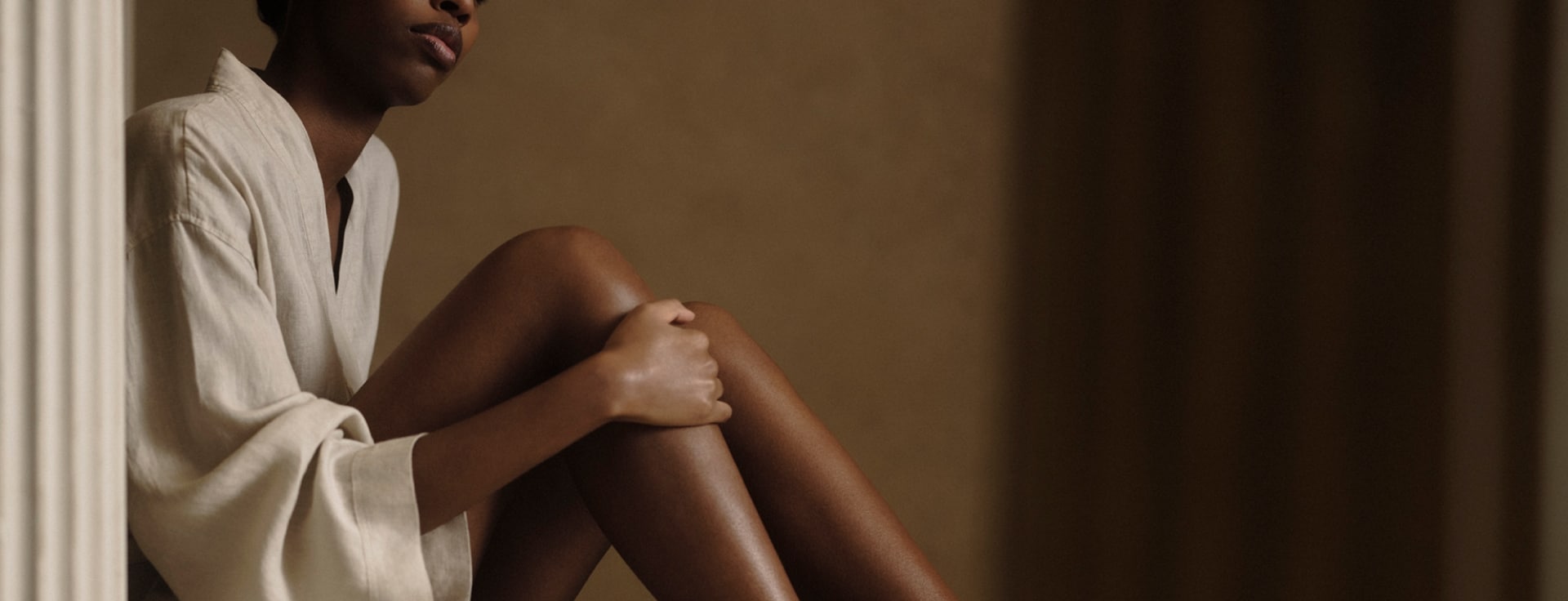
The Romans had an unwavering commitment to wellness that was akin to a form of worship, perhaps explaining why Roman baths were also considered temples. The healing rituals that took place in the buildings touted the importance of wellness long before this pursuit became a modern phenomenon. It arguably inspired the global iteration of what we know today as the spa – a place to visit for revival and restoration. The Roman’s approach to the spa, however, is rooted in something that goes far beyond the superficial. Their bath house rituals consisted of resting, steaming the pores, massaging and bathing in separate rooms and of course, the waters. These waters of different temperatures all served different purposes but essentially delivered numerous benefits to one’s skin and well-being.
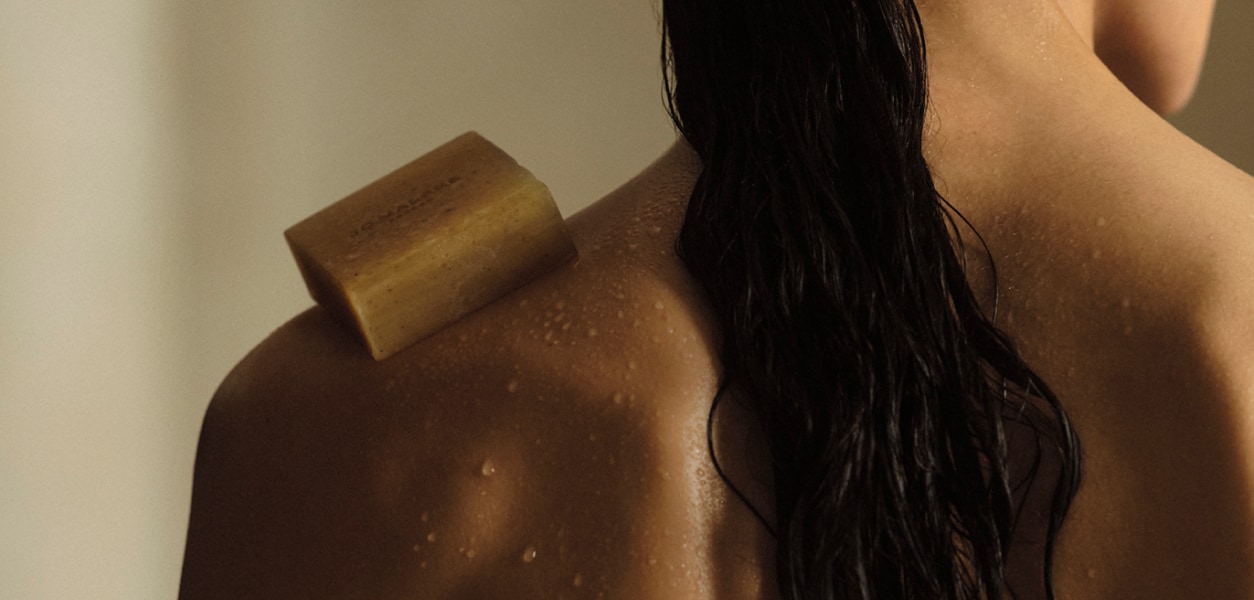
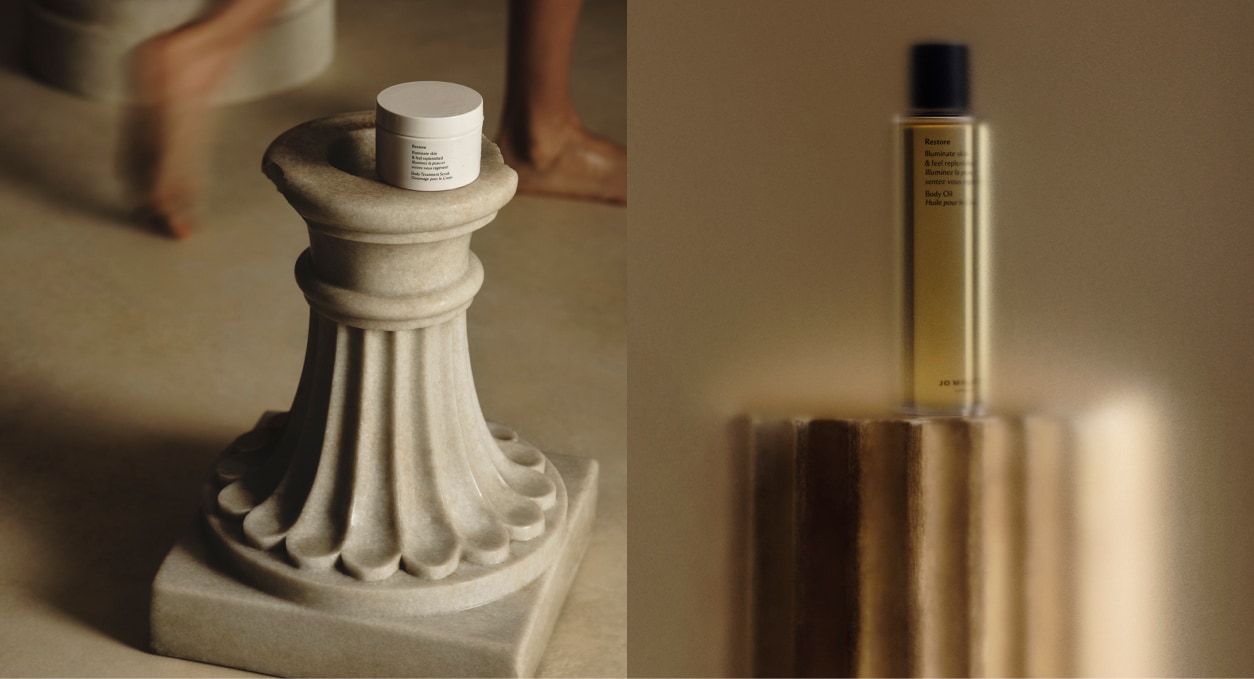
The gentle heat that radiated through the floors and the walls of the tepidarium – a lukewarm room – relaxed and prepared the body for the rooms that followed. The heated spring waters of the caldarium – a hot room – steamed, cleaned and purified the skin. Bathers would then move onto the next stage where they slathered themselves with oils, their body then deeply exfoliated with a scrub. The final stage – the frigidarium – featured a large pool containing freezing cold water in which the brave bathers would take a brisk, skin tingling dip thereby closing the pores that had been opened by the heat from the previous treatments. It is the final bold act to an incredible bathing experience that leaves the bather – mind, body and soul – totally revitalised. A true lesson in self-care, with each stage of the bathing rituals of Roman times celebrated within each product and routine of the Care Collection.
Away from the bustle of the city lies another sanctuary that has looked to the Roman baths to offer an extraordinary temple of wellness. Deep in the woodlands of Estelle Manor – the 85-acre luxury country house hotel and private members club in Oxfordshire – lies Eynsham Baths. Taking five years to complete, it is a jaw dropping ode to the baths of the Roman era. The neoclassical architecture of the resplendent 3,000 square metre property – think sculpted stone columns and hand-shaped bricks – is a nod to the Roman villa ruins discovered close to the estate. While it features a dazzling labyrinth of both private and open spaces and ancient rituals taken from the world’s oldest philosophies on health and longevity, the healing power of the waters is at the heart of the baths. Based on clinical research supporting water’s health benefits, bathers are encouraged to flow through different thermal areas. Specific to Eynsham is the hay sauna, a forward-thinking addition to the baths found to stimulate the body’s immune system and metabolic rate as well as soothe the nervous system. Ultimately it is a proposition of serenity that aims to bring joy, improve mental health, reduce fatigue and ease away the weariness and pressures of modern life. Just like the ancient Roman baths themselves.


Complimentary samples
Try something new with your next order

Complimentary gift wrapping
The perfect present, all wrapped up

Free standard delivery is offered on orders over €60.